Exploring the psychology behind casino games and player behavior
The lure of chance and risk-taking
The allure of chance is a fundamental aspect of casino games that engages players’ emotions and cognitive functions. The thrill associated with taking risks, combined with the potential for substantial rewards, creates an irresistible draw. This blend of excitement and uncertainty triggers a psychological response that can lead to the development of gambling habits. Players often find themselves caught in a cycle of risk-taking, where the prospect of winning outweighs the rational acknowledgment of potential losses, compelling them to continue wagering despite the odds, especially when considering options like casino fast withdrawal that promise quick returns. The anticipation of a big win can easily overshadow the reality of losing, which entices players to gamble even more.
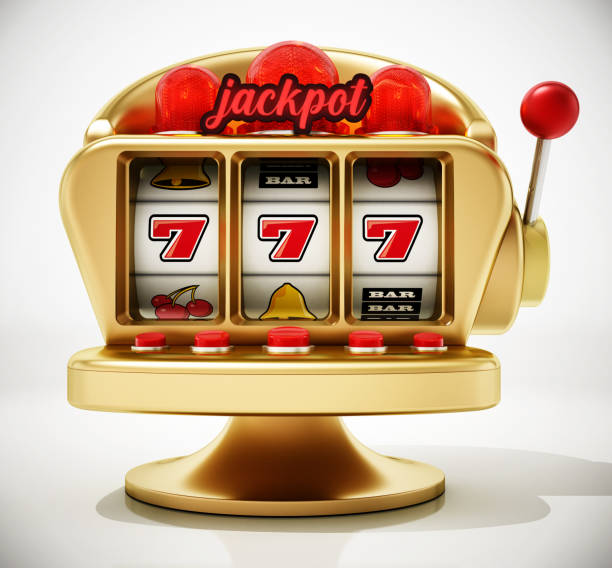
Neuroscience has shown that in games of chance, the brain’s reward system is highly activated. This activation can lead to feelings of exhilaration when players engage in gambling activities. The anticipation of a win—whether from a spinning roulette wheel or the alignment of a slot machine’s reels—can evoke euphoric sensations. This dopamine release, akin to experiences in other high-stakes scenarios, amplifies the risk-taking behavior commonly seen among players, making it challenging for them to resist the call of the game. As they chase that feeling, players may become desensitized to losses, leading to a dangerous cycle of behavior.
Moreover, the psychological principle known as the “gambler’s fallacy” illustrates how players misinterpret randomness concerning their experiences. Many believe that past outcomes can influence future results, leading them to make increasingly risky bets. This cognitive bias reinforces their engagement in gameplay, as the hope of a ‘win’ becomes a driving force, often overshadowing the reality of statistical probabilities. As such, players may stubbornly pursue losses, convinced that a win is just around the corner, thereby feeding into their gambling behavior. This misperception can create a false narrative that enhances the thrill and urgency to keep playing.
The role of environment and design
The design of a casino plays a significant role in shaping player behavior and overall experience. From the layout to the lighting and sound, every element is meticulously curated to enhance the allure of gaming. Bright lights and captivating sounds create an immersive environment that keeps players engaged for extended periods. This sensory stimulation can lead to altered states of consciousness, where players become less aware of their surroundings and more focused on the game. As a result, they may spend more time gambling, often neglecting the passage of hours as they chase their next big win. The atmosphere is designed to be disorienting, making it easy for players to lose track of time and money.
Furthermore, the strategic placement of games and facilities within a casino is designed to manipulate player behavior effectively. For instance, popular games may be positioned near entrances or high-traffic areas to draw in newcomers, while high-stakes tables are often isolated, creating an aura of exclusivity. The continuous flow of complimentary drinks and services encourages players to remain at their stations, blurring the lines between enjoyment and excessive play. This meticulously crafted environment plays a crucial role in fostering an addictive atmosphere that can ensnare even the most cautious players. The experience is designed to make leaving difficult, further trapping individuals in the cycle of play.
Moreover, casinos often employ psychological techniques such as variable rewards, wherein players receive occasional wins amidst a series of losses. This unpredictability can be intoxicating and reinforces continued gambling behavior. Winning—even if it occurs infrequently—creates hope and encourages players to continue betting as they chase the high of potential win streaks. This design philosophy insidiously exploits human psychology, maximizing casino revenue through sustained player engagement, while often leading individuals down a path of compulsive gambling. The thrill of uncertainty and the possibility of reward are powerful motivators that keep players returning.
The impact of social influence
Social dynamics significantly shape player behavior within casino environments. Observations and interactions with other players can create a communal atmosphere that influences individual decision-making. For example, the camaraderie formed at a poker table or the cheers from nearby slot machines can motivate players to take risks they might otherwise avoid. This social reinforcement enhances the enjoyment of the game but may also lead to increased spending as players seek to replicate the celebratory experiences of others, often resulting in impulsive betting behavior. The presence of others can amplify the emotions tied to winning and losing, making the experience more compelling.
Additionally, the concept of social proof plays a crucial role in gambling scenarios. When individuals see others winning or engaging in positive behaviors, they may be inclined to follow suit, believing that success might also be within their reach. This phenomenon is particularly amplified in environments where large groups congregate, such as during special events or tournaments. Players often feel emboldened by the success of their peers, leading to more substantial bets and longer gaming sessions, which can escalate risks and financial stakes considerably. The collective excitement can create a feedback loop that perpetuates gambling behavior within social settings.
However, this social influence can also have negative repercussions, particularly when “loss-chasing” behavior develops. If a player witnesses others winning after a series of losses, they may feel compelled to increase their bets to recover losses in a misguided effort to emulate successful players. This can lead to compulsive gambling and financial distress, highlighting the complex interplay between social dynamics and individual behavior in casino settings. Understanding these influences is crucial for fostering healthier gambling practices and mitigating the risks associated with social gambling environments. The social aspects of gambling can create both supportive and detrimental effects on players’ decision-making.
The psychological effects of winning and losing
The psychological ramifications of winning and losing in a casino context are profound, significantly impacting players’ emotional states and motivations. Winning, even in small amounts, can lead to feelings of euphoria and validation. Players often experience a rush of confidence that distorts their perception of luck and skill, prompting them to gamble more aggressively, believing they possess a winning streak. This heightened sense of self-efficacy can encourage further risk-taking, sometimes resulting in substantial financial consequences that may not be immediately apparent. The emotional high associated with winning can create unrealistic expectations for future outcomes, leading to a cycle of overconfidence.
Conversely, losing can trigger a range of negative emotions, including frustration, shame, or despair. These feelings can provoke a desire to ‘chase’ losses, where players impulsively increase their bets in attempts to recover their money. Such behavior underscores the psychological struggle between the desire to recoup losses and the reality of the odds stacked against them. The ability to rationally assess risk diminishes as emotional responses take precedence, fostering a cycle of irrational decision-making that can spiral out of control. This emotional rollercoaster can complicate a player’s relationship with gambling and lead to compulsive behaviors.
The aftermath of gambling experiences—both positive and negative—can shape future behavior in significant ways. For some, a substantial win could become a benchmark against which all future gambling experiences are measured, leading to unrealistic expectations. For others, repeated losses might prompt them to withdraw from gambling altogether, creating a lasting aversion that might influence their future interactions with gaming. Understanding these psychological effects is crucial in addressing gambling addiction and promoting healthier gaming practices, thereby fostering a more responsible gambling culture. The emotional impact of both winning and losing can create lasting impressions on players’ motivations and decisions in the future.
Resources for responsible gaming and player support
With the complexity of psychological factors involved in gambling, resources for responsible gaming are essential for both players and operators. Many casinos are implementing programs aimed at promoting responsible behavior and assisting players who may be at risk of developing gambling-related issues. These resources include self-exclusion programs, where individuals can voluntarily restrict their access to gaming activities, as well as informational materials that educate players about the risks associated with gambling and the importance of maintaining control. By providing these tools, the industry aims to foster a culture of awareness and accountability.
Additionally, casinos often provide access to support hotlines and counseling services, encouraging players to seek help if they feel their gambling is becoming problematic. Advocacy groups dedicated to gambling addiction offer a wealth of information and support networks for individuals facing these challenges, empowering them to make informed decisions about their gaming habits. It is imperative for players to recognize the importance of maintaining control and to seek assistance when needed to prevent escalating issues. These support systems can play a critical role in helping individuals navigate their gambling experiences.
By prioritizing responsible gaming, the casino industry aims to create a more sustainable and ethical environment for players. Operators are increasingly recognizing their role in fostering a culture of awareness and accountability, ensuring that the thrill of gaming does not come at the expense of their customers’ well-being. Through these collective efforts, the industry hopes to balance entertainment and responsibility, creating a safer gambling landscape that prioritizes player health and responsible practices, ultimately benefiting both players and the gaming community as a whole. This commitment to player welfare is essential in promoting a healthier relationship with gambling activities.